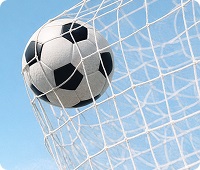
The gambler’s fallacy is an important example of betting jargon and one that describes a common and problematic mindset that may impact your decision-making when gambling online. This is also known as ...
It is itself a fallacy to reason that just because you proved an opponent's argument to be logically fallacious, you've shown their conclusion to be wrong. For example, someone could argue that ...
Gambler’s fallacy is a common cognitive bias that affects decision-making, especially in areas like gambling, investing, and trading. In this article, we’ll strive to break things down by giving you a ...
“Maybe they’re just ignorant?” I’ve lost count of how many times I have heard this hopeful suggestion from students and colleagues trying to navigate ideological divides. It’s usually offered as a ...
Logical fallacies are flaws in reasoning. They are often called informal fallacies. It's becoming more common for people to call out these fallacies by name. You often hear accusations of people ...
Have you ever walked away from a heated discussion feeling like something was off, but couldn’t quite put your finger on what? That nagging sensation might be your ...
As a marketer, I can tell you that logical fallacies are used in advertising all the time. You find them in a variety of messages that bombard you daily. As a matter of fact, you’re probably so used ...
Logical fallacies are mistakes in arguments. For example, if someone says that something is better solely because it is more "natural," this is the appeal to nature fallacy. If someone presents two ...
Speak like an insider! Welcome to Snopestionary, where we’ll define a term or piece of fact-checking lingo that we use on the Snopes team. Have a term you want us to explain? Let us know. The red ...
In today’s tech-driven economy, data is essential for gaining new insights, making decisions, and building products. In fact, there is so much data out there, that the quantity of it is doubling every ...
A fallacy is a mistake in reasoning. It can undermine your case. Therefore, it is important to examine your own planned written and oral presentations. Also, carefully consider opposing presentations ...
Results that may be inaccessible to you are currently showing.
Hide inaccessible results